What is an Addiction Test?
A drug addiction test or substance abuse test is a scientific and specialized method for detecting the use or non-use of addictive substances in a person’s body. This test is performed to assess mental and physical health, often in legal, employment, driving license issuance, marriage, and treatment contexts. The primary goal of this test is to identify residues of drugs or stimulants in the body over a specific period.
The most common samples used in addiction testing include urine, blood, saliva, and in specific cases, hair or sweat. In Iran and many countries, urine sampling is the most common method due to its ease, speed, and high accuracy.
What Substances Are Identified in an Addiction Test?
Addiction tests can identify a wide range of drugs and psychoactive substances, including:
- Opium derivatives and opioids (such as morphine, codeine, heroin)
- Methamphetamine (crystal meth)
- Amphetamine
- Cannabinoids (hashish, marijuana, THC)
- Benzodiazepines (sedatives like diazepam, lorazepam)
- Barbiturates (older sleeping pills)
- Cocaine
- Alcohol (if requested or in certain specific cases)
- Methylenedioxymethamphetamine (MDMA – Ecstasy)
- Fentanyl and synthetic opioid derivatives (in advanced tests)
The type of substances tested depends on the purpose of the test, the request of the employer or relevant authority, and the laboratory’s protocol.
When is a Drug Addiction Test Used?
| Use Case | Brief Explanation | Required Documents |
| Employment in government and private organizations | Assessing the physical and mental health of applicants before employment to enhance organizational safety and productivity | National ID card, letter of introduction from the organization (if required) |
| Marriage registration in official offices | Legal requirement to prevent family problems and ensure the health of the couple | National ID card, birth certificate of both parties |
| Obtaining or renewing a driving license | Ensuring no substance use to guarantee driving safety, especially for professional licenses | National ID card, letter of introduction from the traffic police center |
| Going abroad and immigration | Part of mandatory medical tests for immigration or obtaining visas for specific countries | National ID card, passport or immigration documents |
| Submission to judicial authorities and courts | Providing medical documentation in judicial cases such as child custody or divorce | National ID card, court order or directive from judicial authorities |
| Returning to work after addiction treatment | Proving full recovery after quitting addiction to re-enter work or society | National ID card, letter of introduction from the addiction treatment center (if requested) |
| Obtaining special licenses or permits | Ensuring the mental and physical health of individuals in sensitive professions such as transportation, teaching, or nursing | National ID card, relevant educational or professional documents |
Types of Addiction Tests
1. Urine Drug Test
Urine testing is the most common method for detecting substance abuse. Due to its simplicity, low cost, and fast results, it is considered the most widely used drug addiction test. Urine can show the presence of drugs even several days after the last use. Most employment, judicial, and treatment centers use this method. One of its disadvantages is the possibility of cheating by diluting or substituting the sample, which is prevented by direct supervision during sampling. Amphetamines, barbiturates, benzodiazepines, cannabinoids, cocaine, methadone, opiates (such as heroin, morphine, codeine), and phencyclidine are usually identified in this test.
2. Blood Drug Test
Blood testing is one of the most accurate methods for detecting drug use shortly after consumption. Unlike urine tests, blood samples indicate drug use with higher precision and allow for identifying the substance’s concentration in the body. This test is mainly used in special circumstances such as traffic accidents, emergencies, or detailed medical examinations.
The cost of this method is higher than urine tests and requires more specialized equipment and professional operators. However, a limitation of this method is that drugs are only detectable in blood for a few hours or days.
3. Saliva Drug Test
The saliva test is a quick and non-invasive method for detecting substance abuse close to the time of consumption. Sampling is very easy, and individuals can provide a sample under supervision even without needing to visit a laboratory. This test is suitable for identifying substances such as marijuana, cocaine, amphetamine, and opioids within a few hours to a maximum of two days after use.
Due to its ease of use, this method is widely applied in roadside inspections or workplaces. However, it is less sensitive to older drug use compared to blood and urine tests.
4. Hair Drug Test
Hair testing is used to detect long-term drug use and can identify drug consumption up to 90 days ago (or more). This type of drug addiction test is highly accurate, and cheating or manipulation is almost impossible. Sampling involves cutting a small bundle of hair close to the scalp, which is then analyzed in the laboratory.
Substances such as cocaine, amphetamine, marijuana, and opioids can be detected with this test. Due to its higher cost and time-consuming sample analysis, this method is usually used in specific legal or sensitive occupational cases.
5. Sweat Drug Test
The sweat test, performed using special patches on the skin, is used for continuous monitoring of substance use over a specific period. This patch remains on the person’s skin for several days or weeks and records any excretion of drugs through sweat.
This method is suitable for monitoring individuals undergoing addiction treatment or criminals under judicial supervision. One of its advantages is the difficulty of cheating; however, due to the cost and need for specific technical considerations, it is less common than other methods. Common detectable substances include opioids, cocaine, and amphetamines.
Drugs That Can Cause False-Positive Drug Test Results
| Drug or Drug Group | Substance That Causes Positive Test | Effective Dose (Approximate) | Specialized Explanation |
| Codeine | Morphine | Therapeutic dose (10-60 mg) | Codeine is metabolized to morphine in the body and can cause a positive opioid test. |
| Diphenhydramine (Antihistamine) | PCP or Amphetamine | High dose > 100 mg | At high doses, a similar chemical structure can interfere with the test. |
| Amitriptyline (TCA) | Amphetamine or Benzodiazepine | Therapeutic dose (25-150 mg) | May be mistakenly identified as amphetamine, especially in initial screening tests. |
| Pseudoephedrine (Decongestant) | Methamphetamine or Amphetamine | Therapeutic dose (30-120 mg) | Due to structural similarity with amphetamine, it can mislead the test. |
| Ibuprofen (NSAID) | Marijuana (THC) or Benzodiazepine | High dose > 1200 mg/day | High consumption can cause false positives for some drugs. |
| Rifampin (Antibiotic) | Opioids | Therapeutic dose (600 mg daily) | May interfere with drug addiction test results. |
| Venlafaxine (SNRI antidepressant) | PCP | Therapeutic dose (75-225 mg) | Venlafaxine may lead to false positives for PCP with older kits. |
Drugs or Conditions That Can Cause False-Negative Drug Test Results
| Drug or Condition of Use | Effect on Test | Effective Dose (Approximate) | Specialized Explanation |
| Excessive water intake | Urine dilution, reduced metabolites | > 2-3 liters within a few hours | Causes a decrease in metabolite concentration and leads to a false-negative result. |
| Diuretics (e.g., Furosemide) | Increased water excretion, urine dilution | Therapeutic dose (20-80 mg) | May lead to a faint result for drug use. |
| Activated Charcoal | Toxin absorption, inhibition of drug absorption | Depends on amount consumed (25-100 gr) | Activated charcoal consumed immediately after drug use may reduce their absorption. |
| High-dose Vitamin B3 (Niacin) | Stimulates liver metabolism, increased detoxification | > 500 mg/day | Some believe high niacin intake causes false-negative drug tests; scientific evidence is limited, but there is an effect on metabolism. |
| Strong Antioxidants (e.g., Glutathione) | Reduced metabolite oxidation | High therapeutic doses or strong supplements | Potentially alters levels of some metabolites, but definitive effectiveness requires more studies. |
Can an Addiction Test Be Done at Home?
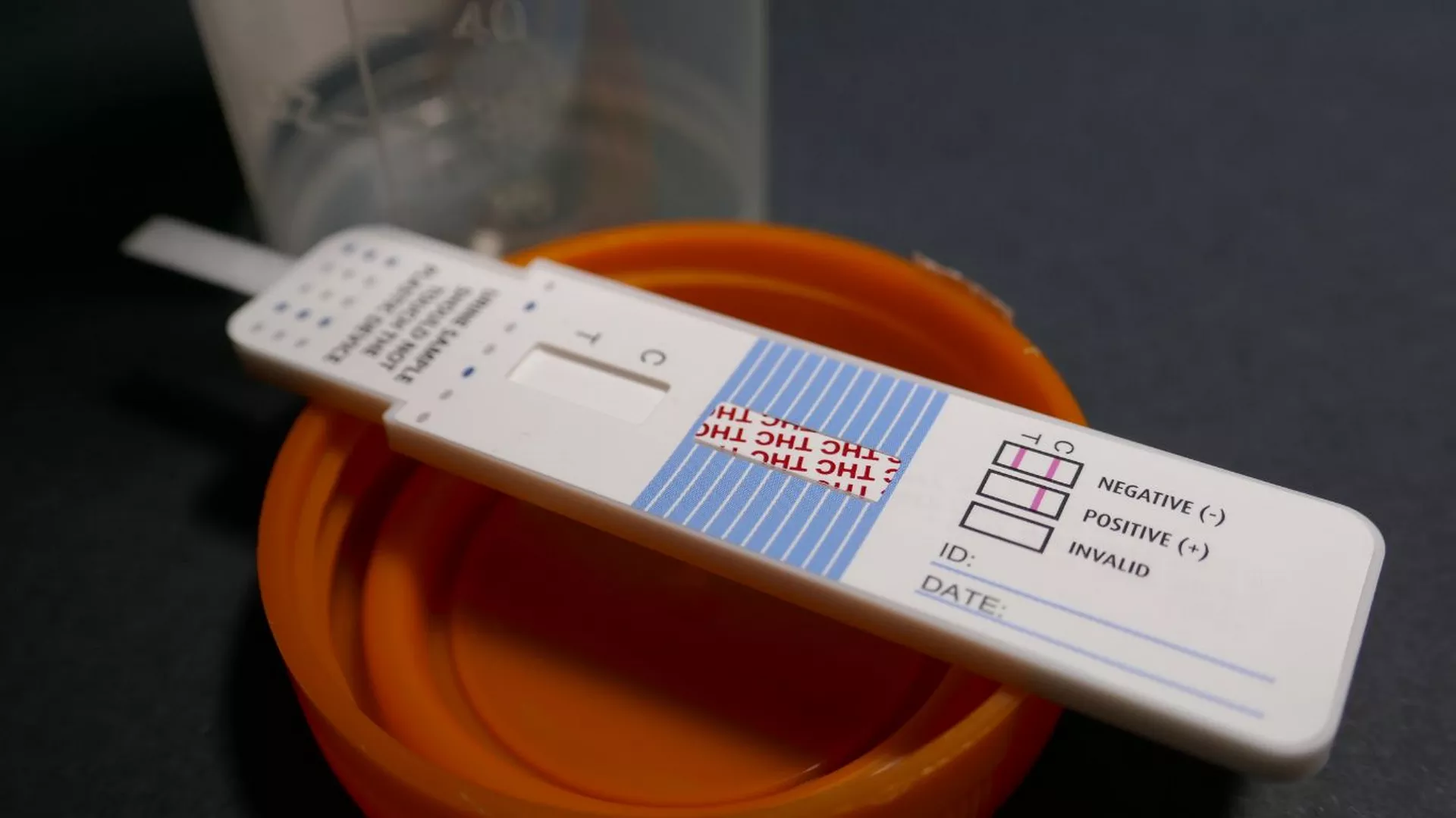
A drug addiction test can be performed at home and is known as a quick and confidential method. These tests are usually done with special kits that include multi-drug panels. A 5-panel rapid drug detection test can identify substances such as morphine, methamphetamine, amphetamine, hashish (THC), methadone, and/or tramadol.
A 10-panel rapid drug detection test also covers a wider range of substances including opioids, amphetamines, benzodiazepines, barbiturates, methadone, and other stimulants. Sampling for this method is done using urine, and initial results are visible within minutes. However, for final confirmation, more specialized laboratory tests are still required.
How Long Are Different Drugs Detectable in a Drug Addiction Test?
| Drug | Approximate Detection Time in Urine |
| Morphine (Opium, Heroin) | 2 to 3 days after last use |
| Codeine | 1 to 2 days after use |
| Methamphetamine (Crystal Meth) | 2 to 5 days after use |
| Amphetamine | 1 to 3 days after use |
| Hashish (Marijuana, THC) | Occasional use: 1 to 3 days / Chronic use: up to 30 days or more |
| Cocaine | 2 to 4 days after use |
| Benzodiazepines (Diazepam, Alprazolam) | 3 to 7 days (and in chronic use, up to several weeks) |
| Barbiturates (Phenobarbital, etc.) | Short-term use: 2 days / Long-term use: 7 days or more |
| Methadone | 3 to 5 days after use |
| Buprenorphine | 2 to 4 days after use |
| Fentanyl and synthetic derivatives | 1 to 3 days after use |
| Alcohol (Ethanol) | In urine up to 12 hours; with Ethyl Glucuronide (EtG) test up to 3-5 days |
| Ecstasy (MDMA) | 1 to 4 days after use |
| Phencyclidine (PCP) | 4 to 14 days |
| Tramadol | Up to 3 days after use |
It is important to note that these times are approximate and can vary slightly among individuals due to personal characteristics such as age, metabolism rate, body mass, frequency of use, and amount of substance consumed. The detection time for these substances in blood and saliva is slightly shorter.
Tips Before and After a Drug Addiction Test
Tips Before a Drug Addiction Test
- Avoid Over-the-Counter Medications
In the days before the drug addiction test, avoid taking unnecessary medications such as painkillers, antihistamines, and supplements without consulting a doctor. Some medications can cause false positives. If you have taken any medication, be sure to inform the laboratory.
- Drink Fluids in Moderation
Drinking water before the drug addiction test is essential but should not be excessive, as urine dilution may lead to invalid or suspicious results. Drinking 1 to 2 glasses of water is sufficient. Avoid drinking more than 3 liters of water in a few hours before the test.
- Bring Valid Identification Documents
For the drug addiction test, it is mandatory to bring your national ID card or birth certificate. Without valid identification, the laboratory will not be allowed to perform the test. In some cases, a letter of introduction from the relevant organization or entity is also required.
- Be Aware of the Impact of Therapeutic Medications
If you are undergoing specific drug treatment (e.g., methadone, buprenorphine, or benzodiazepines), be sure to provide relevant medical documents to the laboratory before the test. This prevents misinterpretation of results. Failure to declare medication use can lead to inaccurate results.
Tips After a Drug Addiction Test
- Follow Up on Test Results in Due Time
Depending on the type of test (rapid or specialized), it may take between a few hours and 72 hours to receive the results. Timely receipt of results helps to complete legal or employment processes more quickly.
- If the Result is Positive, Request a Confirmation Test
If the initial result is positive, you have the right to request a confirmation test (such as Gas Chromatography-Mass Spectrometry, GC-MS). Initial tests may have errors, and confirmation tests have high accuracy. The results of confirmation tests are more reliable for judicial or employment authorities.
Purchasing Rapid Detection Kits
Are you looking for a reliable, fast, and easy way to identify substance abuse or specific drug use? Aria Mabna Tashkhis company offers professional addiction screening kits, enabling you to obtain the most accurate results in the shortest possible time. The company’s 5-panel and 10-panel rapid detection kits, with high sensitivity and valid certifications, can identify a wide range of illicit drugs and stimulant medications.
Using rapid detection kits is an economical and reliable way for treatment centers, employers, regulatory bodies, and even families to take control of health without needing to visit a laboratory. Contact us today to purchase these specialized kits and take an effective step towards maintaining your health and that of those around you!