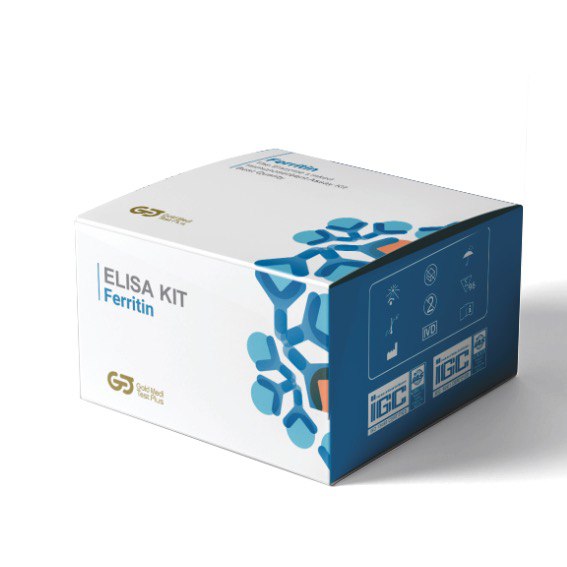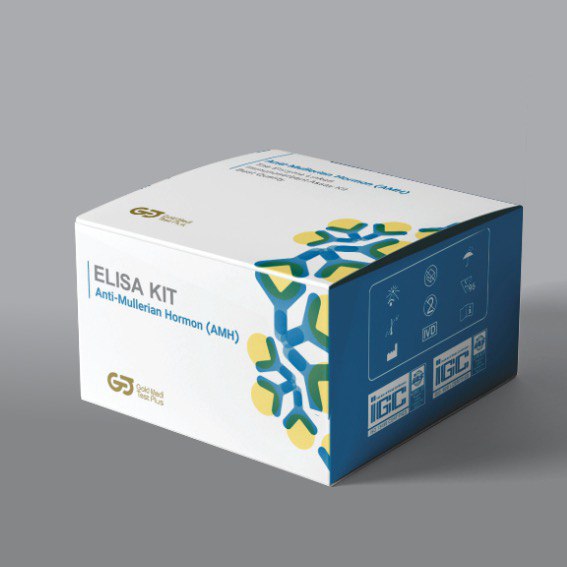
ELISA kits are considered one of the most widely used and reliable immunological methods in disease diagnosis. This method is designed based on antigen-antibody reactions and, by using enzyme-linked antibodies, enables the identification and measurement of very small amounts of biological molecules such as hormones, antibodies, antigens, and proteins.
The most important advantages of these kits include high sensitivity, appropriate specificity, reproducibility, and the ability to analyze a large number of samples at once. These features have made laboratory ELISA kits a vital tool in laboratories.
Overall, familiarity with the operational principles and specialized applications of laboratory ELISA kits is essential for physicians, researchers, and laboratory experts, and can play a significant role in improving the diagnostic and treatment monitoring process.
The ELISA (Enzyme-Linked Immunosorbent Assay) test is an advanced laboratory method for identifying and quantifying specific substances like antigens or antibodies in biological samples (e.g., blood or serum). This method relies on the reaction between an antigen and an antibody, facilitated by specific enzymes. In an ELISA test, typically an antibody or antigen is attached to a surface, and then the target substance (e.g., a virus, hormone, or protein) is identified.
Subsequently, by adding an enzyme substrate, a color reaction is produced, the intensity of which indicates the amount of the target substance. Due to its high sensitivity, appropriate accuracy, and applicability in screening diseases like AIDS, hepatitis, COVID-19, and many autoimmune diseases, this test is widely used in medicine. Speed, accuracy, and the ability to analyze multiple samples simultaneously are other advantages of this method.
In this method, the antigen is directly attached to the surface of the plate wells. Then, an enzyme-labeled antibody binds to the antigen. After adding the substrate, the enzymatic reaction leads to the production of a detectable signal. This method is simple and fast but has lower sensitivity compared to other methods.
In this method, the antigen is attached to the plate surface, and initially, a primary antibody binds to it. Then, a secondary enzyme-labeled antibody binds to the primary antibody. This method is more sensitive than direct ELISA and allows for the use of general secondary antibodies.
In this method, a capture antibody is attached to the plate surface. The antigen present in the sample binds to this antibody, and then a second enzyme-labeled antibody binds to the antigen. This method is highly sensitive and suitable for detecting high molecular weight antigens.
In this method, the antigen in the sample and an enzyme-labeled antigen compete for binding to a limited antibody. The amount of signal produced is inversely proportional to the concentration of the antigen in the sample. This method is suitable for detecting small molecules and in cases where the antigen has only one epitope.
One of the most important advantages of ELISA kits is their very high sensitivity in detecting minute amounts of biological substances such as antigens or antibodies. This feature allows diseases to be identified in their early stages. Even if the amount of the target substance in the sample is very low, ELISA kits are capable of detecting it. In diseases like AIDS or cancer, this plays a vital role in early treatment initiation. The high accuracy of this method significantly reduces the probability of diagnostic errors. Therefore, ELISA is also used in population screenings.
ELISA kits are designed using monoclonal or polyclonal antibodies that react only with specific molecules. This feature leads to more accurate test results and reduces the likelihood of false positive or false negative results. High specificity is particularly important in diagnosing viral or autoimmune diseases. In such situations, ensuring that the test result truly relates to the target substance is crucial. This accuracy increases physician confidence in the test result and leads to better treatment decisions. For this reason, ELISA kits are considered the gold standard in some tests.
ELISA kits are often designed in 96-well plate formats, allowing multiple samples to be examined simultaneously. This feature is very useful in laboratories with a high volume of samples. Performing tests simultaneously saves time and resources. It also reduces human error in comparing samples and simplifies the data analysis process. This advantage makes ELISA kits highly suitable for large research projects or widespread population screening. The high speed of simultaneous testing also improves laboratory efficiency.
Despite its scientific complexity in design, the ELISA method is operationally easy for laboratory users. Precise instructions and ready-to-use kits make performing this test straightforward. Furthermore, the high reproducibility of results, when instructions are followed, indicates the reliability of this method. Test results are very consistent across different laboratories and even in multiple repetitions. This is highly important for clinical studies and pharmaceutical research. Consequently, both operationally and scientifically, ELISA is considered a reliable option.
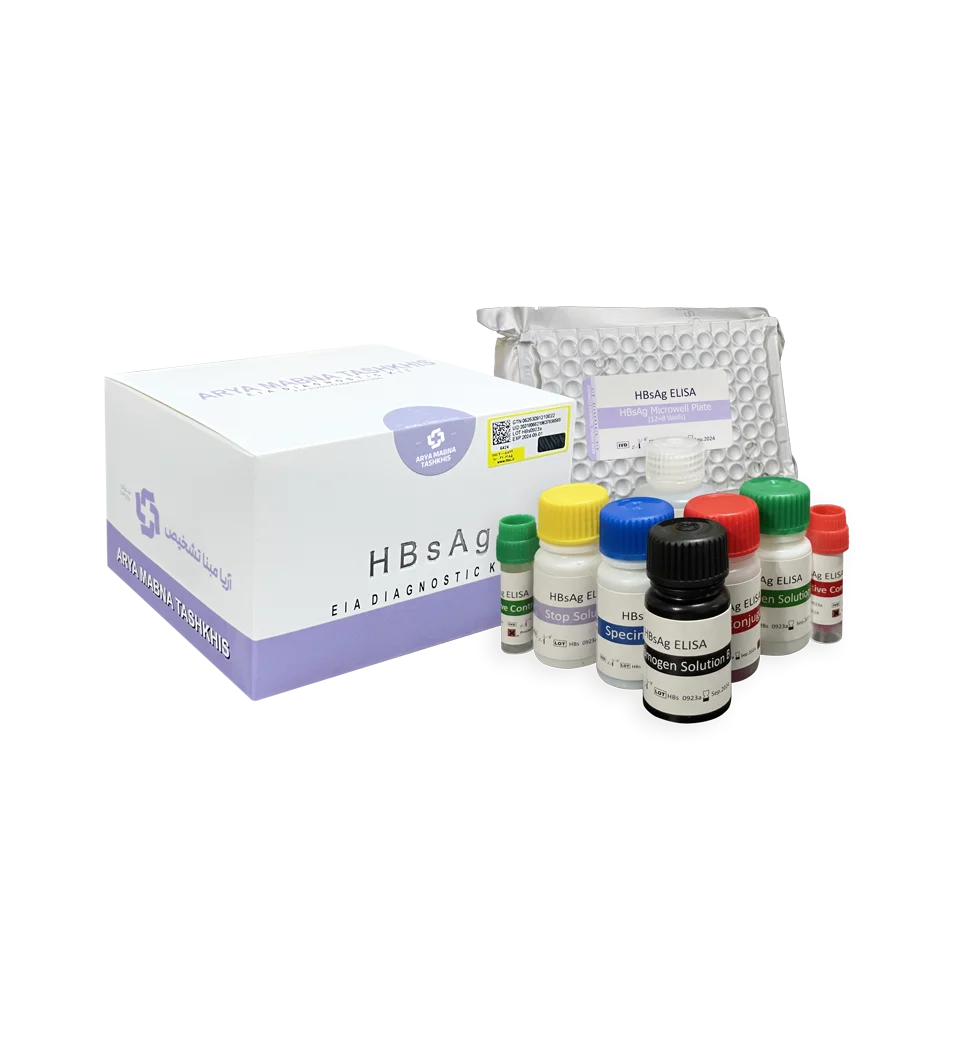
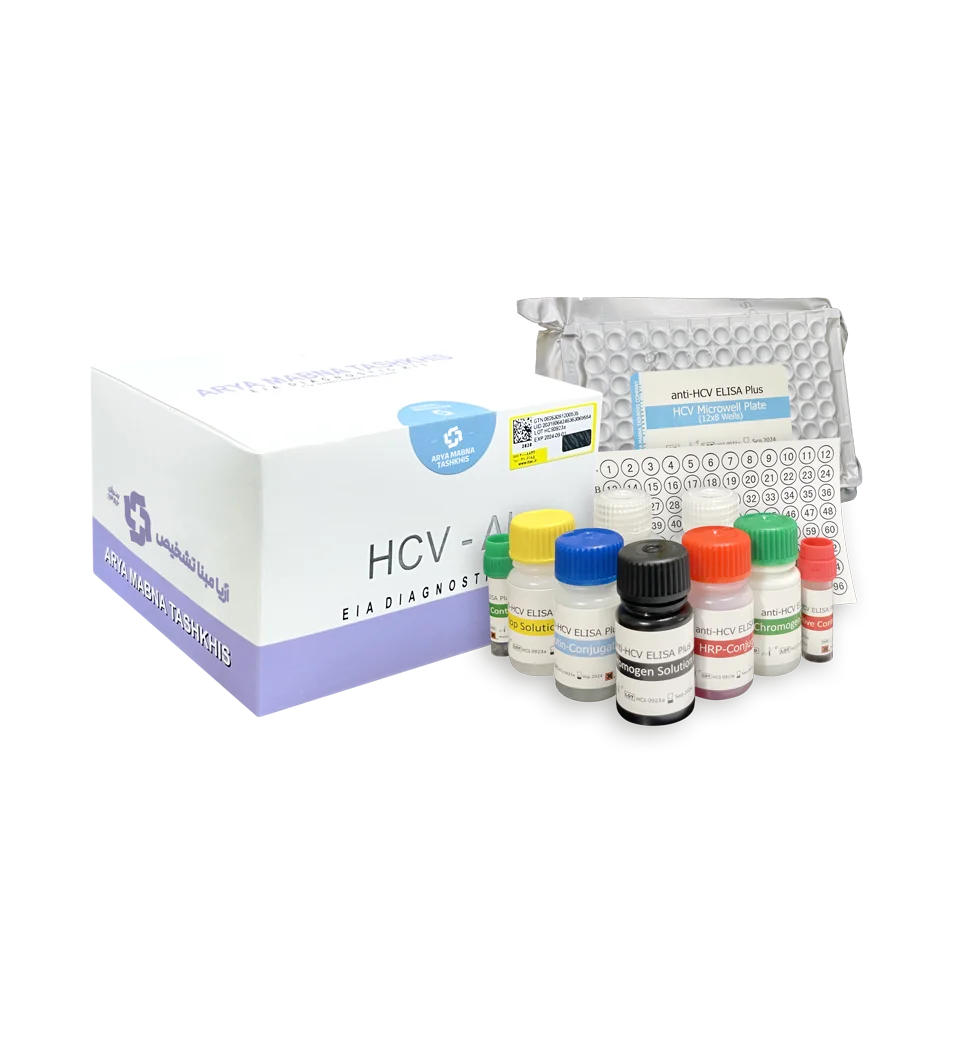
ELISA kits usually include a set of ready-to-use tools for performing the test. Among the materials found in these kits are:
Arya Mabna Tashkhis is a reliable choice for purchasing ELISA kits. By offering reputable products that comply with international standards, we assure you of obtaining the best results. Contact our sales consultants now to benefit from expert consultation and professional services.
Arya Mina Tashkhis Group is recognized as the largest producer of ELISA kits in Iran, and with a specialized and experienced team, it constantly strives to supply the highest quality laboratory products to the market. This company, focusing on innovation and precision in production, has managed to gain the satisfaction of many diagnostic and treatment centers. One of Arya Mina’s prominent features is transparency in pricing and continuous updates. Customers can confidently view the prices of ELISA kits online and in real-time through the Arya Mabna Tashkhis website. These kits range from 500,000 Tomans to 1,000,000 Tomans.
Interpreting an ELISA test is a process in which the results obtained from the assay are analyzed based on the intensity of the color produced in the microplate wells. The color intensity is directly related to the concentration of the target substance (such as antigen or antibody) in the sample and is usually measured by an ELISA reader at a specific wavelength. The results are provided as numerical values (Optical Density – OD) and by comparing them with standard or control values, the positive or negative status of the test is determined.
In many cases, the interpretation of results depends on various factors, including the type of kit, test conditions, and the type of disease. Physicians use this information to assess the immune status or the presence of infection in the patient’s body. Accuracy in test interpretation plays a key role in correct diagnosis and treatment decision-making.