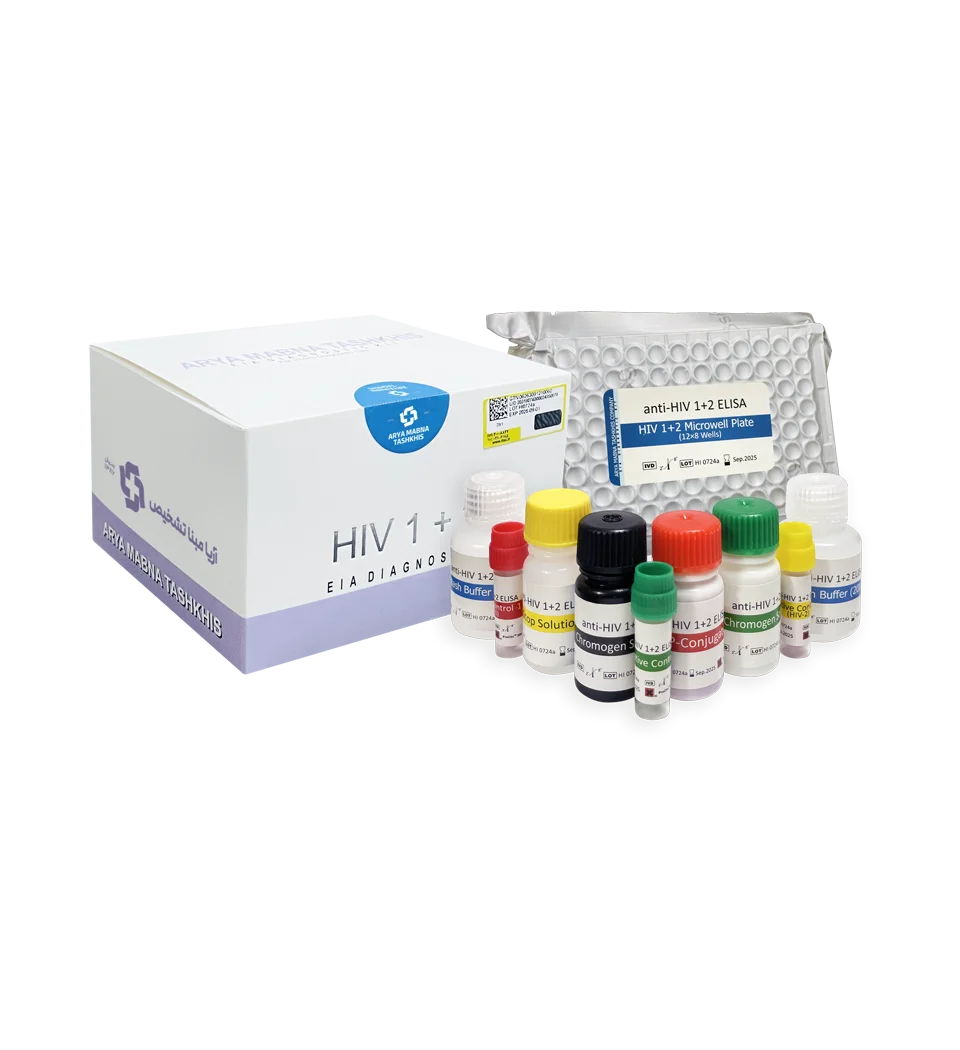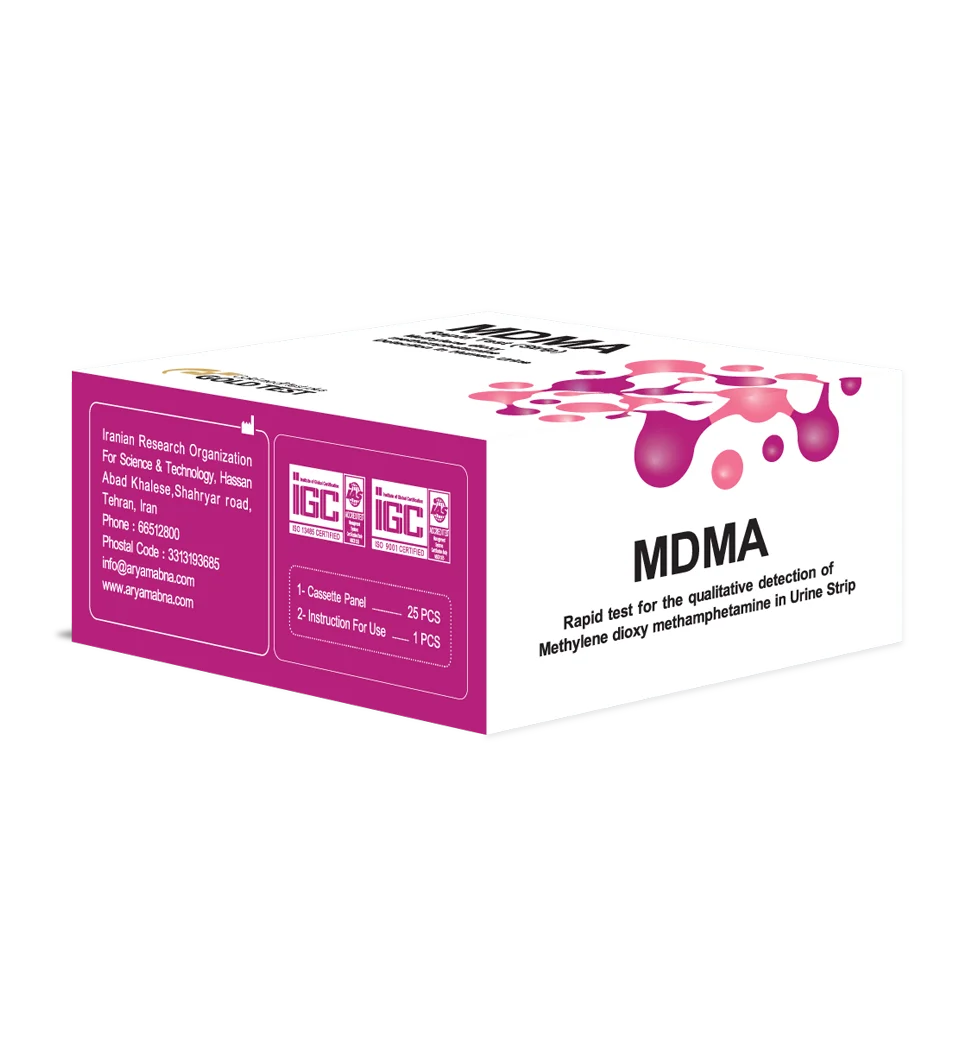
In recent years, significant advancements have been made in disease diagnosis, particularly in the field of Rapid Diagnostic Tests (RDTs). RDTs have played an effective and crucial role in the early identification of diseases, leading to improved treatment outcomes, reduced disease transmission, and better epidemic management. By providing results in a short timeframe, these kits minimize the need for advanced laboratory equipment and enable Point-of-Care Testing.
The widespread use of RDTs, especially in health crises such as the COVID-19 pandemic, has further highlighted their importance. Features like high speed, ease of use, relatively low cost, and the ability to identify pathogens in early stages have made this technology a cornerstone in public health systems and disease control.
Rapid Diagnostic Tests (RDTs) have emerged as efficient tools for the quick identification of diseases at various clinical and epidemiological levels in recent years. One of their most significant applications is the immediate diagnosis of infectious diseases like HIV and hepatitis in early stages, which can improve treatment processes and prevent disease transmission.
These kits play a vital role in population screening programs and outbreak control in high-density environments such as schools, prisons, and refugee camps. They have also found widespread use in remote areas or regions with limited access to laboratories due to their minimal need for advanced equipment.
In the event of health crises, such as natural disasters, RDTs are quickly utilized for major public health decision-making. Their use in clinics, doctor’s offices, and even at home has enabled disease monitoring at the community level. Overall, RDTs, as complementary tools alongside standard laboratory methods, play an important role in enhancing healthcare and facilitating access to diagnostic services.
One of the primary advantages of RDTs is providing results in a very short timeframe (usually 15 to 30 minutes). This feature, in emergency situations or widespread disease outbreaks, enables immediate treatment decisions for medical staff. Unlike molecular methods like PCR, which require laboratory processing time, RDTs offer instant results. This benefit is crucial, especially in emergency departments and screening centers. It also reduces delays in initiating treatment or isolating patients.
RDTs typically do not require complex devices or laboratory equipment for use. This capability makes them easily accessible for use in underserved areas, villages, or crisis-affected regions (such as natural disasters or war zones). This feature plays a significant role in promoting health equity and universal health coverage.
When the demand for tests increases (e.g., during a pandemic), the use of RDTs can significantly alleviate the workload on central laboratories. This leads to better allocation of human resources, increased efficiency, and a reduced likelihood of errors due to work pressure in laboratories. It also allows for decentralized testing at the community or clinic level. This advantage is particularly important for the healthcare systems of developing countries.
RDTs are effective tools for initial screening in high-risk populations. By rapidly identifying patients, the possibility of preventing disease transmission to others, especially in communicable diseases, increases. This feature is highly effective in controlling epidemics and regional outbreaks. Early identification also allows for the initiation of appropriate treatment in the early stages of the disease, which contributes to reducing mortality and disease complications.
RDTs are usually more cost-effective in terms of production, distribution, and use compared to molecular technologies like RT-PCR. This has made them a suitable option in countries with limited financial resources or in national screening programs. Besides economic savings, the low cost of the kits allows for repeated testing at shorter intervals. This advantage is highly applicable in managing chronic diseases or rapidly spreading epidemics.
The accuracy of Rapid Diagnostic Tests, as one of the key indicators in evaluating their performance, plays a vital role in the reliability of results. This accuracy is typically measured from two main perspectives: sensitivity and specificity. Sensitivity refers to the kit’s ability to correctly identify true positive cases, and specificity refers to its ability to correctly identify true negative cases.
Numerous studies have shown that the accuracy of RDTs depends on various factors, including the type of sample (blood, saliva, urine, stool, nasal/throat secretions), the stage of the disease at the time of sampling, the quality of kit production, and its storage and usage conditions.
For example, concerning the SARS-CoV-2 virus, the sensitivity of antigen kits has been reported to be between 70% and 85% in the best-case scenario, while their specificity is usually above 95%. This means that in some situations, false negative results might be more prevalent than false positives.
Besides the type of disease, the level of viral or bacterial load in the sample also plays an important role in the kit’s accuracy. In patients with a high viral load, the likelihood of a positive RDT detection is higher.
Based on literature reviews, using RDTs in conjunction with other screening methods or confirming positive results with molecular methods can significantly increase diagnostic accuracy. Therefore, although RDTs are fast and point-of-care tools, their use requires a precise understanding of their limitations and potential errors in the clinical diagnostic process.
Given the widespread use of RDTs in public health, selecting an appropriate kit requires attention to a set of scientific and technical criteria. Accurate and informed selection not only increases confidence in test results but also plays a significant role in reducing diagnostic errors, improving clinical decision-making, and optimizing resource management. Below, we examine the most important points when purchasing RDTs:
The two key indicators in evaluating the performance of diagnostic kits are sensitivity and specificity. Sensitivity expresses the kit’s ability to correctly identify true positive cases, and specificity indicates its ability to correctly rule out true negative cases. Kits with higher sensitivity and specificity reduce the likelihood of false positives and false negatives. The kit’s accuracy information should always be derived from independent and reliable scientific studies, not merely the manufacturer’s claims.
Purchasing kits that have approvals from reputable international or national bodies is of high importance. Licenses such as CE Mark (Europe), FDA EUA (United States), or approval from the relevant country’s Ministry of Health indicate attention to quality control processes and scientific evaluation of the product. The absence of these approvals can be a sign of the kit’s inefficiency or non-standard nature.
The type of sample collection must be compatible with available facilities at the point of use and training. Also, the kit’s storage conditions (ambient temperature, expiration date, stability against humidity) significantly impact its performance. In resource-limited areas, kits that do not require a cold chain and can be stored at room temperature will be better options.
One of the important features of RDTs is their point-of-care usability by non-technical users. Therefore, the simplicity of the testing steps and clarity in reading results are very important. Usage instructions should be clear, multilingual, and accompanied by images.
The supplier company should provide consumers with technical information, training, scientific brochures, and guides for resolving potential issues. Strong technical support is especially crucial in medical centers with a high volume of sample collection.
Sometimes, lower-priced kits may lead to higher indirect costs in the long run due to high error rates or instability. Therefore, cost savings should not compromise diagnostic quality.
Kits backed by clinical studies published in reputable scientific journals are generally more trustworthy. Also, the manufacturer’s history, global experience, and presence in advanced healthcare markets can be important criteria for ensuring product quality.
Ultimately, the selection of a diagnostic kit should be made in accordance with the intended application (individual diagnosis, population screening, epidemiological monitoring), available resources, and the target population. Consulting with laboratory specialists at Arya Mabna Tashkhis can make your decision more accurate and safer.