Laboratory consumables and accessory equipment play a vital role in ensuring the quality and accuracy of results. From pipettes and test tubes to filters and culture media, each of these consumable laboratory supplies acts as an integral part of research and diagnostic processes. Additionally, laboratory equipment accessories like probes, spectrophotometer cells, and cuvettes complement the precision and efficiency of advanced instruments.
Laboratory consumables include tools and equipment used in diagnostic processes, medical research, and clinical and scientific tests. Here are a few examples of disposable items in the laboratory and their uses:
The safety lancet is one of the most important disposable laboratory items, playing a key role in the blood sampling process. This product, categorized as a laboratory consumable, provides safe and less painful sampling due to its special design. The types of this product include:
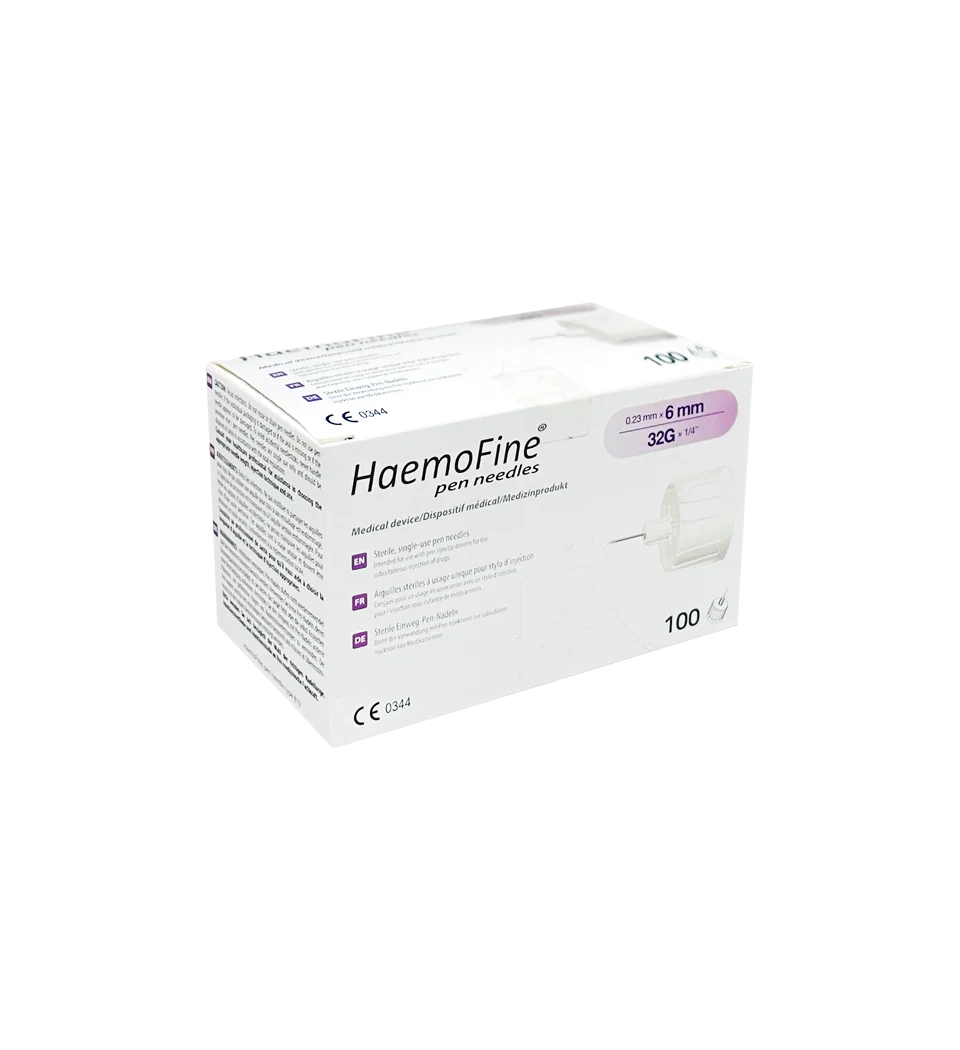
The pen needle is an essential consumable item in laboratories and medical centers, playing a significant role in injection processes as a replaceable laboratory accessory. This small but vital device is considered everyday laboratory equipment, and alongside other laboratory instrument accessories, it has various applications. Due to its specific design, this device allows for accurate and less painful injections. Pen needles are usually produced as sterile and single-use items and are among the laboratory consumables that must be regularly replaced. A pen needle consists of several main parts:
Pen needles, like other medical needles, are measured by the Gauge (G) system, which indicates the needle’s diameter. The larger the G number, the thinner the needle. Common pen needle sizes, as one of the laboratory instrument accessories, include G30 (0.3 mm), G31 (0.25 mm), and G29 (0.33 mm). The length of pen needles also typically varies between 4 to 8 mm, chosen depending on the type of use and the patient’s condition. When selecting a pen needle as a consumable item in the laboratory, various factors such as needle diameter, needle length, manufacturing technology, etc., should be considered.
The Guthrie card is an essential laboratory aid in the process of newborn screening, playing a key role in the early diagnosis of congenital metabolic disorders. This special paper, packed in plastic laboratory containers, is part of ready-to-use kits for collecting blood samples from the heel of newborns. The Guthrie card was first introduced in the 1960s by Dr. Robert Guthrie for the diagnosis of Phenylketonuria (PKU), revolutionizing newborn screening. This tool, as one of the laboratory replacement parts for traditional blood sampling methods, allows for the collection, transfer, and storage of samples in a standardized manner.
In the screening process, which typically takes place between 3 to 5 days after birth, after disinfecting the newborn’s heel with an alcohol pad (which is part of the ready-to-use kits), a small scratch is made using a sterile lancet, and a few drops of blood are collected on the Guthrie card. This sample is then sent to the laboratory after drying. The Guthrie card, as an advanced laboratory aid, enables the diagnosis of numerous metabolic diseases, including congenital hypothyroidism, phenylketonuria (PKU), galactosemia, maple syrup urine disease (MSUD), congenital adrenal hyperplasia, and G6PD enzyme deficiency (favism).
Using high-quality consumable laboratory equipment and standard laboratory instrument accessories increases test accuracy and reduces costs resulting from potential errors. Alongside these, intelligent management of laboratory consumables and the use of appropriate laboratory replacement parts greatly contribute to the efficiency and sustainability of laboratory processes. Finally, to purchase various laboratory consumable items, you can contact Arya Mabna Tashkhis support and place your order.